Productivity
Procrastination: more about emotions than about time
Putting off a task brings relief in the moment and costs a lot later. What research says about procrastination, and five concrete steps to take back control.
By Nadir - ForgeMe · · 4 min read
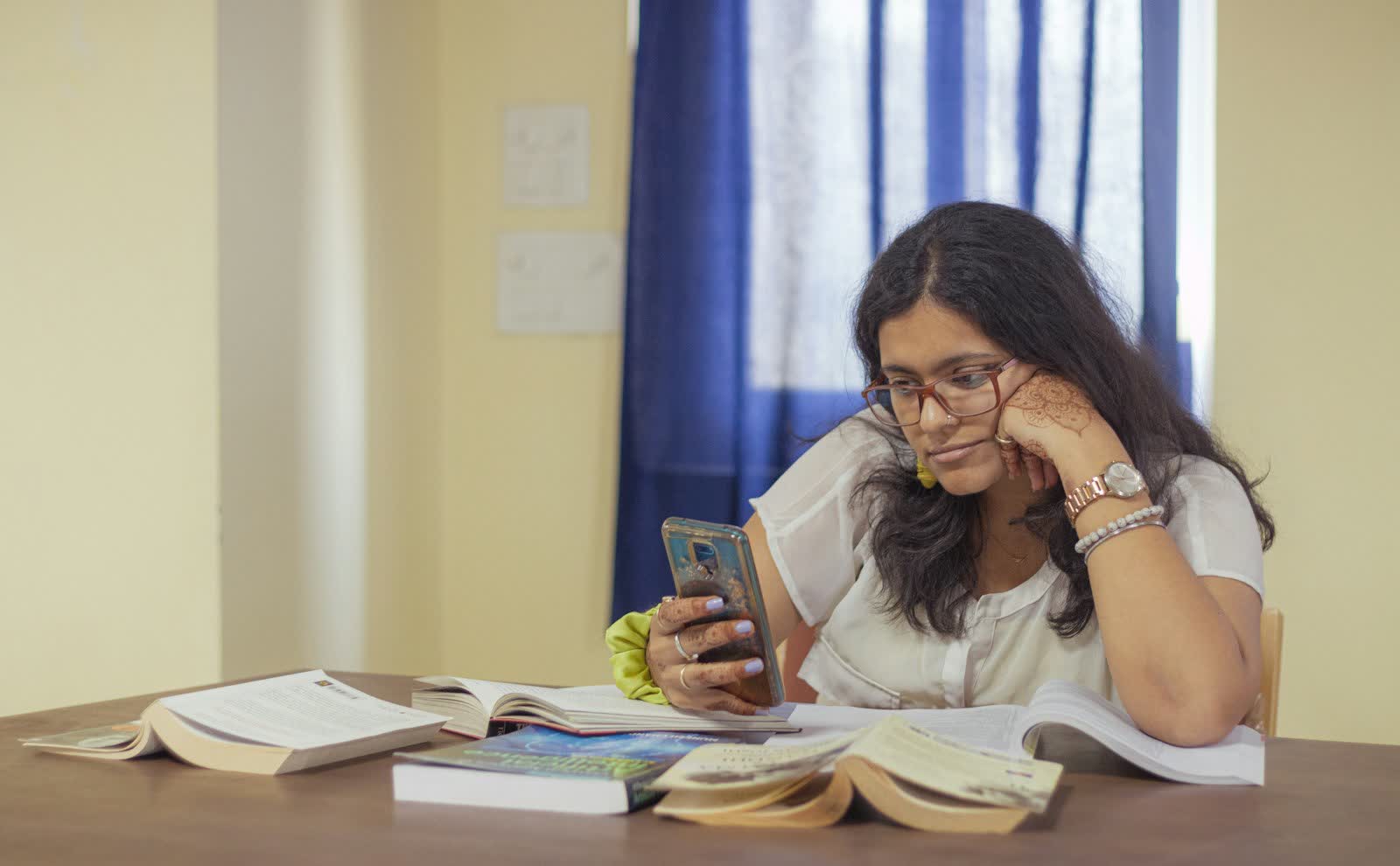
Photo: Sanket Mishra / Unsplash
You know exactly what you need to do. You even have the time. And yet you tidy your desk, check your messages, watch “just one video.” If procrastination were simply a matter of organization, a good planner would fix it. Researchers who have studied it for years offer a different explanation, and it changes how you tackle it.
It's not (just) a time problem
In 2013, Fuschia Sirois and Timothy Pychyl, two procrastination specialists, published a review in Social and Personality Psychology Compass. Their central idea: procrastination is first and foremost a way of repairing your mood in the short term.
When you face a task you find unpleasant, boring, stressful or vague, you feel discomfort. Putting the task off makes that discomfort disappear immediately. The authors borrow a phrase from other researchers: we “give in to feel good.” The problem is that the bill gets sent to someone else: your future self, who will have to do the same task with less time and more stress.
They also point out a vicious cycle. Procrastination often comes with guilt, shame and self-criticism. Those unpleasant emotions make the task even harder to face, which pushes you to put it off again.
Forgive yourself to move forward
A Canadian study shows nicely how to break this cycle. In 2010, Michael Wohl, Timothy Pychyl and Shannon Bennett followed students between two midterm exams. They measured how much each student had forgiven themselves for procrastinating before the first exam.
The result: students who had forgiven themselves for procrastinating before the first exam procrastinated less when studying for the second. According to the authors, forgiveness reduced the negative emotions tied to the task, which made it easier to approach the next time.
Forgiving yourself doesn't mean thinking it's fine or not caring. It means acknowledging what happened, without beating yourself up, so you can get back to it.
Five steps to take back control
Since procrastination is a matter of emotions, the techniques that work best aim to make the task less painful to approach, rather than forcing yourself.
- Name what you're really avoiding. Ask yourself: what do I dislike about this task? Is it vague? Am I afraid of the outcome? Is it boring? Putting a word to it already eases the tension.
- Lower the first step. Instead of “write the report,” aim for “open the document and type the title.” A two-minute action triggers far less resistance.
- Think of your future self. Picture, concretely, the person you'll be on Thursday evening, with the task still left to do. They're the one who pays the price for the delay. Give them a gift today.
- Accept the discomfort for a few minutes. The urge to escape is often strongest right before you start. Tell yourself: “I'll do five minutes, then I'll decide.” Once you're going, it's often more bearable than you expected.
- Forgive yourself for the delay so far. Instead of “I'm hopeless, I should have started Monday,” try “I put it off because it was hard, now I'm getting back to it.” That's exactly what Wohl's study suggests.
Spot your triggers
For a week, every time you catch yourself putting off a task, quickly note three things: the task, what you did instead, and what you were feeling just before. Patterns will show up fast: certain tasks, certain times of day, certain emotions keep coming back.
These observations let you act ahead of time. If it's always the admin phone call that keeps dragging, schedule it in the morning, when you have the most energy. If it's anxiety about the outcome that's holding you back, start with a draft no one will see.
And if it starts weighing on you
Everyone procrastinates now and then. But if it weighs on you to the point of affecting your work, your studies or your mood over time, talking to a professional can help you understand what's going on underneath.
With ForgeMe
Break the task you're avoiding into tiny subtasks in ForgeMe: the first one should take two minutes. Add a reminder for the time when you have the most energy, and use the journal to note, whenever you put something off, what you were feeling at that moment.
Sources
- Sirois, F. et Pychyl, T. (2013). Procrastination and the Priority of Short-Term Mood Regulation: Consequences for Future Self. Social and Personality Psychology Compass, 7(2), 115-127. doi.org/10.1111/spc3.12011
- Wohl, M. J. A., Pychyl, T. A. et Bennett, S. H. (2010). I forgive myself, now I can study: How self-forgiveness for procrastinating can reduce future procrastination. Personality and Individual Differences, 48(7), 803-808. doi.org/10.1016/j.paid.2010.01.029

Written byNadir - ForgeMe